
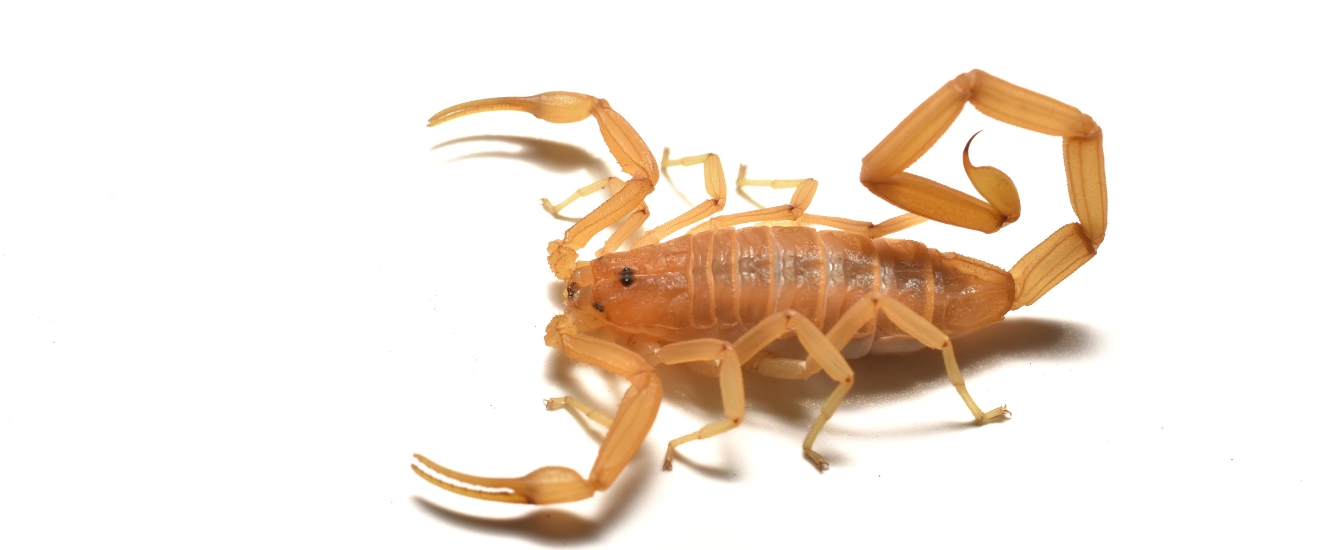
A scorpion disappearing beneath a rock is one thing. Finding one on the bathroom floor or hiding in the garage raises a more immediate question: what kind is it? In New Braunfels, the answer is often the striped bark scorpion, a species common across South Central Texas. When sightings become less surprising and more routine, professional scorpion control in New Braunfels can make more sense than wondering where the next one will appear.
The Scorpion New Braunfels Homeowners Are Most Likely to Meet
Texas is home to numerous scorpion species, but that does not mean New Braunfels homeowners are equally likely to encounter all of them. The species most relevant to this part of South Central Texas is the striped bark scorpion (Centruroides vittatus), which is widely distributed across the state. Unlike scorpions whose ranges are concentrated in the drier landscapes of West Texas, the striped bark scorpion is comfortable in environments shaped by both nature and residential development. That adaptability puts it surprisingly close to everyday activity around homes.
The striped bark scorpion spends much of the day tucked into protected spaces and becomes more active after dark. Around a New Braunfels property, suitable shelter can exist beneath landscaping rocks, loose boards, firewood, tree bark, outdoor equipment, and other objects that create narrow, shaded spaces. Once nighttime arrives, scorpions leave these hiding places to hunt insects and other small prey. This means a yard with plenty of shelter and insect activity can support scorpions even when the property appears clean and well maintained.
Its ability to live near structures is what makes this species particularly important for local homeowners. A striped bark scorpion found indoors may have entered through a small exterior opening while searching for prey or shelter rather than living permanently inside the home. Yet frequent sightings can suggest that conditions around the property are repeatedly bringing scorpions close to the structure. Instead of treating every encounter as an isolated surprise, it is worth paying attention to where sightings occur and what nearby features may be giving scorpions a reason to stay.
How to Recognize a Striped Bark Scorpion
The name provides the biggest clue. Striped bark scorpions generally have yellowish-tan to brown bodies with two darker stripes extending lengthwise across the back. Adults are relatively small, reaching roughly 2½ inches in length, with narrow pincers and a slender tail ending in a stinger.
Their appearance can vary somewhat from one individual to another, so body color by itself is not the best identification method. The combination of a slim build, dark dorsal stripes, long tail, and relatively delicate pincers provides a better visual reference.
Scorpions have another unusual characteristic that can make them easier to locate after sunset: they fluoresce under ultraviolet light. This is why blacklights are commonly used when checking yards and other outdoor spaces for nighttime scorpion activity.
A New Braunfels Yard Can Be Excellent Scorpion Real Estate
Scorpions do not wander onto residential properties because they are interested in people. A property becomes useful to them when it provides three basic resources: shelter, prey, and suitable conditions.
Consider what surrounds a typical home. Decorative stones create protected spaces underneath them. Stacked firewood contains countless narrow crevices. Retaining walls can have gaps, while storage areas, outdoor equipment, tree bark, and landscaping materials may remain undisturbed for long periods. At the same time, insects moving through these areas provide scorpions with food.
Put those features together and a perfectly maintained yard can still become productive hunting territory. Scorpions spend daylight hours concealed and emerge after dark to search for insects, spiders, centipedes, and other small prey. For homeowners, this means scorpion activity is often connected to what is happening elsewhere in the yard rather than the exact location where one happens to be spotted.
Why Does a Scorpion End Up Inside the House?
Sometimes the distance between an outdoor scorpion and one crawling across a bathroom floor is nothing more than a small opening in the building.
Their flattened bodies allow scorpions to use narrow gaps around structures. Worn door sweeps, garage-door edges, exterior cracks, utility penetrations, gaps around windows, and other openings can become possible entry routes. Striped bark scorpions are capable climbers as well, making walls, trees, and other vertical surfaces part of the picture.
Once indoors, a scorpion may seek the same qualities it would look for outside: darkness, protection, and access to prey. Garages, closets, storage areas, bathrooms, laundry rooms, and other quiet spaces can provide those conditions.
Finding one inside does not automatically mean scorpions are reproducing throughout the house. The more useful question is how it reached the interior in the first place. Leaving that route available may give future scorpions the same opportunity.
Places Worth Checking After a Scorpion Sighting
Finding one scorpion does not mean you need to tear apart the house looking for dozens more. It does make a quick inspection of the property worthwhile.
Pay particular attention to:
- Door sweeps that no longer fit tightly against thresholds
- Firewood, lumber, boxes, or stored materials beside exterior walls
- Cracks and openings around utility lines and exterior fixtures
- Rock landscaping and debris immediately beside the foundation
- Garages and storage spaces with undisturbed hiding areas
- Locations where insects remain noticeably active after dark
These areas provide clues because scorpion activity rarely depends on one feature alone. Shelter may keep them nearby during daylight hours, insects provide food after dark, and a structural opening completes the route indoors.
Does Seeing One Scorpion Mean There Are More?
One scorpion inside your home does not necessarily signal a larger problem. It may have wandered indoors while hunting insects or looking for shelter. Since scorpions are solitary hunters, a single encounter tells you little about how many may be nearby. Repeated sightings, however, are worth paying closer attention to.
Seeing scorpions several times within a short period can point to favorable conditions around the property, such as sheltered hiding spots, plentiful insect prey, or easy routes indoors. Removing the scorpions you find handles the immediate problem, but identifying what keeps bringing them close to the house can help reduce future encounters.
Are New Braunfels Scorpions Dangerous?
Striped bark scorpions can sting, and that sting can be painful. Most encounters cause localized discomfort rather than a life-threatening emergency, but reactions can vary from person to person.
For that reason, a scorpion should never be picked up or handled with bare hands. Extra care is sensible when moving boxes, firewood, outdoor equipment, or other objects that have been sitting undisturbed. Shoes and gloves stored in garages or outdoor areas are worth checking before use when scorpions have been spotted nearby.
Children and pets create another reason to take indoor sightings seriously because they may approach a scorpion without recognizing the danger. Anyone experiencing severe or concerning symptoms following a sting should seek appropriate medical care.
Why Killing Scorpions One at a Time Usually Misses the Bigger Problem
Imagine finding three scorpions in your garage over several weeks. Each one gets removed, yet another eventually appears.
The reason may have little to do with what happened inside the garage. Perhaps a gap beneath the garage door remains open. Maybe insects gather around exterior lighting every night. Landscaping stones beside the structure provide shelter during the day, while nearby cracks offer convenient access after dark.
Removing the scorpion handles the immediate encounter. Addressing those surrounding conditions deals with the reason encounters may continue.
Effective scorpion management works backward from where activity occurs. Where could they be hiding? What prey is available? Which openings provide access? Which areas remain sheltered throughout the day? Looking at those factors together creates a much stronger strategy than reacting to each scorpion separately.
Cut Down on Scorpion-Friendly Conditions Around Your Home
Scorpions are part of the South Central Texas environment, so preventing problems is less about trying to eliminate them from the surrounding landscape and more about reducing the reasons they come close to your home.
Begin around the exterior perimeter. Keep unnecessary piles of wood, boards, debris, and similar materials away from the structure when practical. Check weatherstripping and door sweeps, and address accessible openings around utility penetrations or other exterior gaps. Reducing clutter in garages and storage areas removes some of the protected spaces scorpions can use during the day.
Pay attention to insects as well. Since scorpions are predators, a property with abundant insect activity can provide a dependable food supply. Outdoor lighting, moisture, vegetation, and other environmental conditions may contribute to insect concentrations around particular parts of the home.
The objective is not to strip every hiding place from the landscape. It is to reduce the combination of food, shelter, and access that can turn the immediate area around your house into convenient scorpion habitat.
Found a Scorpion? Identify It, Then Address It
If you find a scorpion around your New Braunfels home, identifying the species gives you a useful starting point. The striped bark scorpion is the one local homeowners are most likely to encounter, but identification alone will not explain why it has turned up on your property. The next priority is addressing the activity before occasional encounters become a persistent nuisance.
Deep Six Pest Control provides professional solutions for scorpion problems in New Braunfels, backed by more than 20 years of local pest control experience. Our team evaluates scorpion pressure around the property and applies professional control where it can make the greatest difference. Because striped bark scorpions are part of the South Central Texas environment, our focus is practical: reduce their presence around your home and make indoor encounters less likely.
You’ve identified what may be crawling around your property. Let our team handle what comes next. Contact Deep Six Pest Control for a free quote.