

Stinging Insect Exterminator in New Braunfels, TX
Wasps, Hornets, Yellow Jackets & More | Deep Six Pest Control (South Central Texas)
Stinging insects are one of the few pest problems that can feel urgent fast—because they can impact how you use your home today. If you’re noticing wasps around the porch, a nest under the eaves, or yellow jackets swarming near the yard, it’s time to handle it safely and correctly. Deep Six Pest Control provides stinging insect control in New Braunfels and across South Central Texas, with a focus on safe identification, targeted removal, and prevention
Seasonal Stinging Insect Problems in South Central Texas (And Why They Happen)
In Texas, stinging insect activity usually ramps up when temperatures rise and outdoor food sources increase. Nests can grow quietly over time—until suddenly you notice higher traffic around:
- rooflines and eaves
- patio covers and pergolas
- attics, sheds, and garages
- fence corners and outdoor storage areas
And some stinging insects, like yellow jackets, can nest in ground voids, making them especially risky around lawns and play areas.
Our goal is to remove the immediate risk and help reduce repeat nesting in the same spots.
Detailed Inspections — Not Just “Spray and Run”
Before we treat, we confirm what you’re dealing with and where the nest activity is centered. That matters because wasps, hornets, and yellow jackets don’t behave the same way, and the wrong approach can make the situation worse.
During your inspection, your technician will typically:
- Identify the stinging insect type and activity level
- Locate nest placement (eaves, wall voids, trees, sheds, ground cavities, etc.)
- Check common re-nesting zones around entry points and protected ledges
- Recommend the safest treatment plan for your property and household
- Explain what to expect after service and how to avoid future nesting
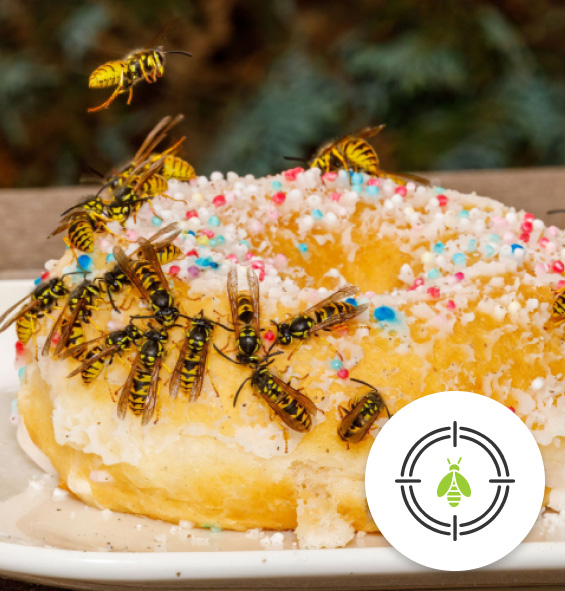
Common Stinging Insect Problems We Solve in New Braunfels
- Wasps building nests under eaves and patio covers
Paper wasps and similar species often build open-comb nests on protected ledges around homes. - Hornets nesting near trees, rooflines, and structures
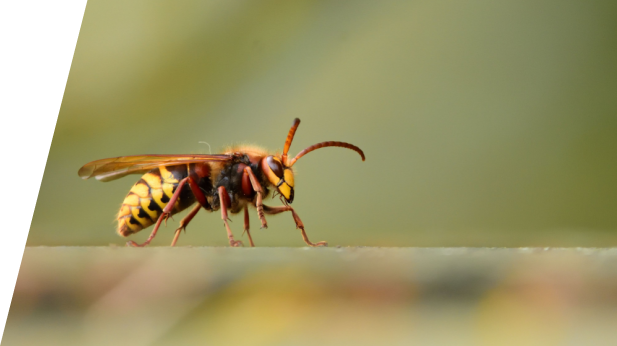
Hornets can be highly defensive near the nest area and may build larger nests in sheltered locations. - Yellow jackets swarming near yards, trash areas, or ground nests
Yellow jackets are attracted to food and can nest underground, in wall voids, or in hidden cavities—making surprises more likely. - Frequent stinging insect “traffic” near doors and walkways
Even without seeing the nest right away, repeated activity in the same area usually points to a nearby nest or a preferred nesting zone. - Stinging insects returning to the same spot each season
Certain areas (eaves, corners, sheds) can become repeat nesting locations if conditions remain favorable.

How Our Stinging Insect Treatments Work (Safe, Targeted, Effective)
We don’t recommend DIY nest removal for active stinging insect problems—especially for yellow jackets and hornets. Our approach focuses on eliminating the nest safely and reducing the chance of repeat activity.
Depending on the insect type and nest location, your service may include:
- Targeted nest treatments designed for the specific stinging insect
- Perimeter-focused exterior treatment in areas where activity concentrates
- Treatment of entry points when nests are located in voids (as appropriate)
- Recommendations to reduce re-nesting (simple changes like sealing gaps, addressing attractive zones, and managing outdoor food sources)
We’ll also provide clear aftercare guidance so you know what’s normal after treatment and when you should call us back.
Service You Can Trust (With Clear Answers)
Stinging insects aren’t just uncomfortable—they can be a safety concern. Deep Six Pest Control keeps things simple: identify the insect, treat the nest properly, and give you practical steps that help prevent repeat nesting. Our technicians are professional, friendly, and focused on keeping your home usable again—without the stress.
Our goal:
Remove the risk, reduce the return, and help you enjoy your outdoor areas with confidence.
Schedule Stinging Insect Control Today
Still unsure? Join hundreds of satisfied customers who trust Deep
Six Pest Control for honest, reliable stinging insect control.
Contact us today to schedule your stinging insect control treatment!
Why Choose Deep Six Pest Control?

Family owned and operated for over 20 years.

Chemical Free options available for those that prefer to be more environmentally friendly.

We treat all types of pests and rodents as well as wildlife removal.

Free Estimates available.

We do WDI Reports and Pre-construction termite treatments.
Mission Statement
At Deep Six Pest, we are committed to transforming the pest control industry through unmatched customer service and unwavering honesty. We believe in building trust by delivering transparent, effective solutions tailored to each customer’s needs, ensuring a pest-free environment while exceeding expectations. Our mission is to disrupt the industry by setting a new standard for excellence, integrity, and customer care in every interaction.
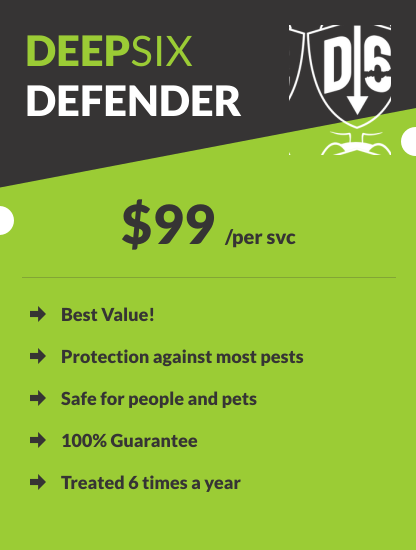
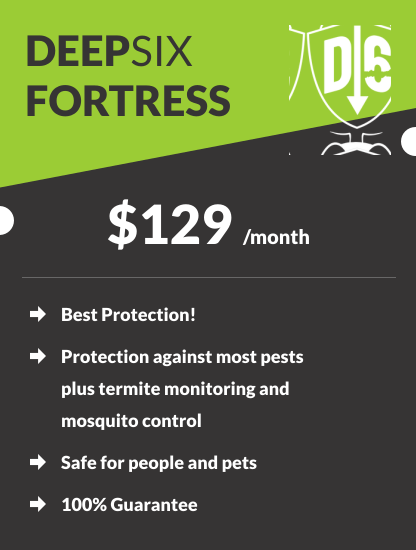
Pest Control Programs
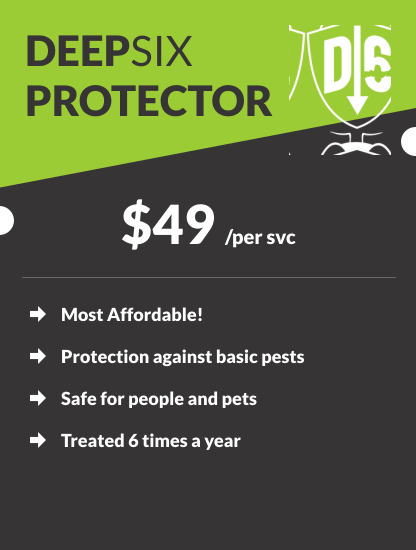
Keep unwanted pests out year-round with our tiered pest control programs designed to fit every home and budget. Our treatments create a protective barrier around your home’s exterior and target common entry points, nesting areas, and conducive conditions where pests live and breed. With consistent service schedules and proven applications, we stop infestations before they start and maintain lasting protection.
Enjoy reliable peace of mind knowing your home stays protected from ants, spiders, roaches, and other common household pests in every season.
Mosquito Control Programs
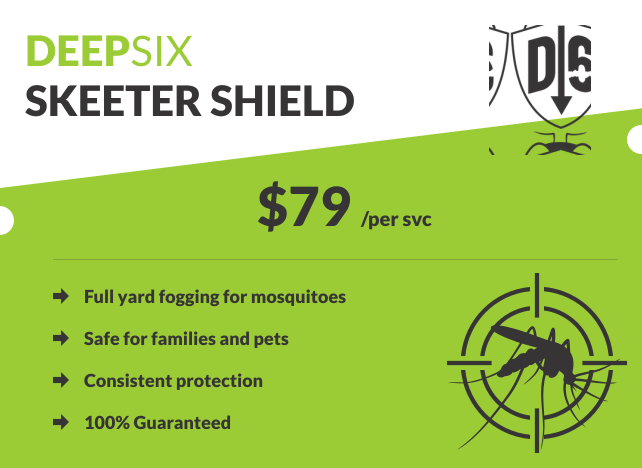
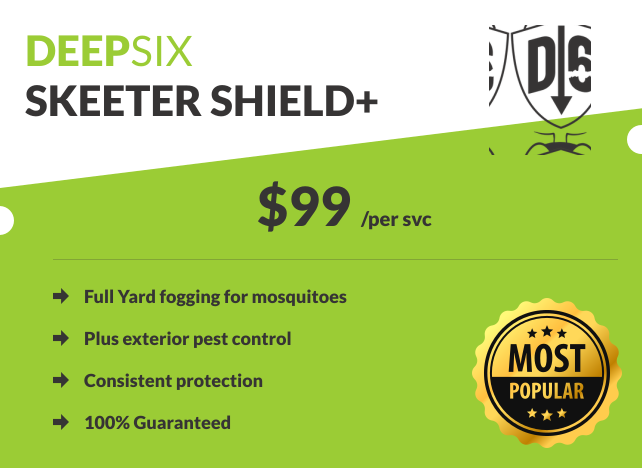
Keep biting mosquitoes away for good with our targeted mosquito control packages. We treat your entire property—front and back—every 21 days to align with the mosquito life cycle. Our applications focus on shrubs, trees, and other common breeding areas to stop mosquitoes at the source. Enjoy season-long peace of mind knowing eggs and larvae never stand a chance.
Hear What Your Neighbors Are
Saying About Deep Six
See why homeowners throughout Texas trust Deep Six for reliable, family-safe pest protection. From fast response times to thorough treatments and friendly technicians, our customers share how we’ve helped keep their homes pest-free and worry-free year-round.


 Trustindex verifies that the original source of the review is Google.
  Trustindex verifies that the original source of the review is Google.
  Trustindex verifies that the original source of the review is Google.
  Trustindex verifies that the original source of the review is Google.
  Trustindex verifies that the original source of the review is Google.
  Trustindex verifies that the original source of the review is Google.
  Trustindex verifies that the original source of the review is Google.
 Stinging Insect Control — Frequently Asked Questions
What stinging insects are most common in Texas?
In our area we commonly deal with wasps, hornets, and yellow jackets, along with other stinging insects that may nest around structures, trees, or yard areas.
How can I tell if I have yellow jackets vs. wasps?
Yellow jackets are often more aggressive around food and may nest in the ground or hidden voids. Paper wasps commonly build open nests under eaves and patio covers. Identification helps choose the safest plan.
Are stinging insects dangerous?
They can be. Stings are painful, and some people may have stronger reactions. Multiple stings or nests near high-traffic areas (doors, patios, play spaces) should be addressed quickly.
Should I spray a nest myself?
It’s usually not a good idea. DIY sprays can agitate colonies and increase stings—especially with yellow jackets or hornets. Professional treatment is safer and more effective.
Where do stinging insects usually build nests?
Common nest locations include eaves, soffits, patio covers, sheds, trees, wall voids, and ground cavities (especially for yellow jackets).
How quickly will activity stop after treatment?
Many nests show noticeable reduction quickly, but some activity can linger as remaining insects return to the area. We’ll explain what’s normal and when to contact us.
How do I prevent nests from returning?
Reducing attractants helps: keep trash areas clean, seal gaps where possible, and address repeat nesting zones around eaves and sheltered ledges.
Do you offer ongoing prevention?
Yes. Ongoing exterior service can help reduce re-nesting in common problem spots and address other pests that may attract stinging insects.