
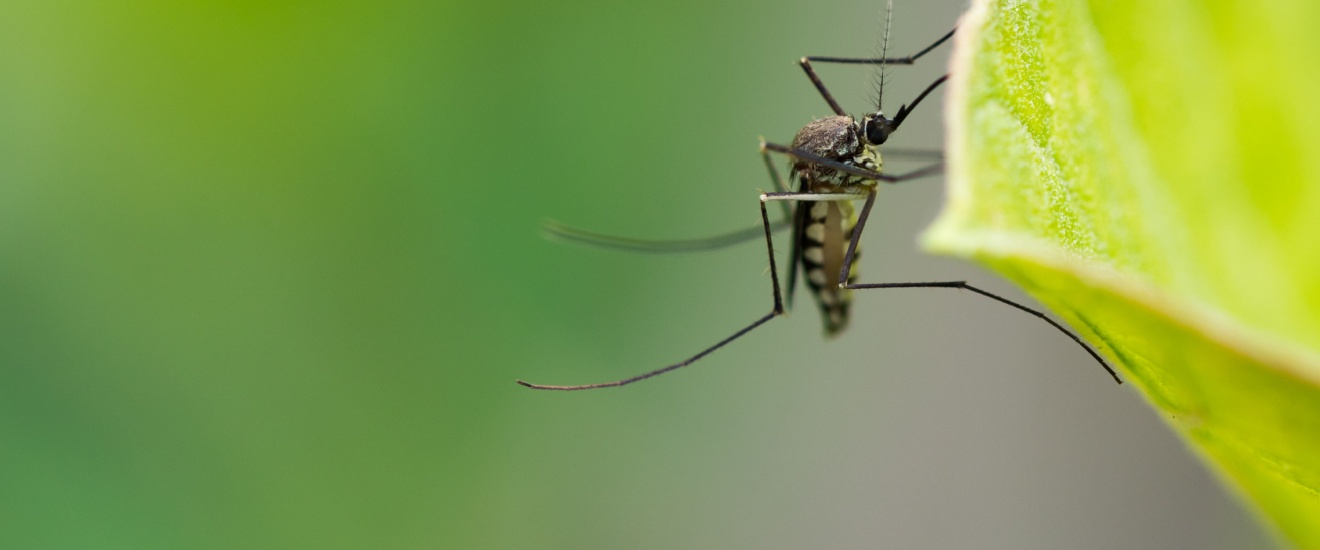
The most impactful thing any New Braunfels homeowner can do to reduce mosquitoes—alongside professional treatment—is systematically eliminate the standing water where mosquitoes breed. Every puddle, every container, and every drainage issue on your property is a potential nursery for the next generation of mosquitoes. In the Central Texas climate, where warm temperatures accelerate the breeding cycle to as little as seven days, a small oversight today produces hundreds of biting adults next week. Here is a thorough, practical guide to finding and eliminating mosquito breeding areas around your home—including the ones most people miss.
Why This Matters So Much
A single female mosquito can lay 100 to 300 eggs at a time, and she may lay eggs multiple times during her lifespan. In New Braunfels summer heat, those eggs hatch into larvae within 24 to 48 hours. The larvae develop through four stages, pupate, and emerge as flying, biting adults in as few as seven days. One overlooked container of stagnant water in your yard can produce several hundred adult mosquitoes in a week—every week—for the duration of the mosquito season.
Professional mosquito treatments target adult mosquitoes and reduce populations dramatically. But if your property is continuously producing new mosquitoes from untreated standing water, you are fighting against a conveyor belt. Eliminating breeding habitat on your property stops that production line and makes every professional treatment visit significantly more effective.
The Obvious Sources
Start with the items most homeowners already know about:
- Birdbaths: Change the water every two to three days. Important detail: scrub the basin when you refill it. Mosquito eggs are tiny and adhesive—they can stick to the sides of the basin above the waterline and hatch when the water level rises with refilling or rain.
- Plant saucers and pot trays: These collect water with every rainfall and irrigation cycle. Empty them at least twice a week. Better yet, use self-draining saucers, elevate pots on pot feet, or fill saucers with gravel so water drains through rather than pooling.
- Pet water bowls: Refresh daily. Bring them inside overnight if mosquitoes are active in the evening—which in New Braunfels, they are from April through October.
- Children’s outdoor toys: Plastic playhouses, toy trucks, sand table lids, wading pools, and riding toys all have surfaces and crevices that collect water. After rain, dump and invert everything. Store toys in covered bins when not in use.
- Old tires: The dark interior and concave shape of a tire make it one of the most productive mosquito breeding sites in existence. Remove any tires from your property or store them in a covered area where rain cannot reach them.
- Wheelbarrows, buckets, and watering cans: Store upside down or under cover. A forgotten wheelbarrow in the side yard can produce mosquitoes for months.
The Less Obvious Sources—Where Most People Miss
These are the breeding sites that homeowners walk past without recognizing:
- Clogged gutters: This is one of the single most productive and most overlooked mosquito breeding sites on any residential property. Gutters that sag, are clogged with leaves, or have improper pitch hold standing water for weeks—out of sight from ground level. A single clogged gutter run can produce thousands of mosquitoes per season. Clean gutters at least twice a year (spring and fall) and check them after heavy storms.
- Corrugated downspout extensions: The flexible, corrugated hose extensions many homeowners attach to downspouts to direct water away from the foundation trap water in the ridges of the corrugation. Even when the extension appears to be draining, small pools remain inside. Replace with smooth-bore extensions or solid pipe, or remove and shake out flexible extensions regularly.
- Tarps and covers: Pool covers, grill covers, boat covers, equipment tarps, and woodpile covers all develop low spots where water collects. Tighten the cover, reposition it to prevent sagging, or drain the accumulated water after every rain.
- A/C condensate lines and drip pans: Air conditioning systems produce condensation that drips continuously during summer operation. If the condensate line drains into a pan, catch basin, or area that does not drain freely, standing water accumulates. Check the area around your exterior A/C unit and ensure condensation is draining onto a splash block or into a line that flows away from the home.
- French drains and drainage grates: If your yard has French drains, catch basins, or drainage grates, check them periodically. Debris can block the outflow and create standing water inside the drain structure—a hidden breeding site that is productive and completely invisible from the surface.
- Hollow fence posts and ornamental structures: Wooden or metal fence posts without caps collect rainwater inside their hollow cores. Decorative garden structures, shepherd’s hooks, and hollow garden stakes do the same. Cap open posts or drill drainage holes at the base.
- Tree holes and stumps: Natural cavities in mature trees collect and hold rainwater. Hollow stumps do the same. If these features are near your outdoor living area, fill tree holes with expanding foam or sand, and remove stumps that consistently hold water.
- Irrigation system components: Valve boxes, sprinkler head housing, and the catch cups around drip emitters all hold small amounts of water. Individually, each is minor. Collectively across a yard with an extensive irrigation system, they add up.
- Trash and recycling bins without lids: Open containers stored outside collect rainwater. Keep lids on bins and store them in a covered area when possible.
- Potted plants with drainage saucers inside decorative sleeves: Many homeowners use an interior pot with drainage holes inside a decorative outer pot. Water drains from the soil into the gap between the two pots and sits there—invisible, stagnant, and perfectly suited for mosquito larvae.
Make It a Weekly Routine
The most effective approach is a consistent weekly walk-through of your property dedicated to finding and eliminating standing water. Pick the same day each week—Sunday evening, Saturday morning, or whatever works—and walk the entire perimeter:
- Dump anything holding water
- Invert containers, toys, and equipment
- Check gutters and downspout extensions (visually from the ground; climb up and clean as needed)
- Refresh birdbaths and pet bowls
- Inspect drainage points and low spots
- Tighten or adjust covers and tarps
This weekly habit, combined with professional mosquito treatment on a 21-day cycle, creates the strongest possible defense against mosquito breeding on your property.
What You Cannot Control—And Why Professional Treatment Fills the Gap
Even the most diligent homeowner cannot eliminate every source of mosquitoes. Your neighbors’ properties, nearby rivers and creeks, public storm drains, construction sites, and open land all produce mosquitoes that can fly onto your property. That external pressure is constant in New Braunfels, and it is the primary reason breeding site elimination alone—no matter how thorough—is not sufficient without professional treatment to knock down the adult population.
Deep Six Pest Control’s Skeeter Shield and Skeeter Shield+ packages provide the professional side of the equation: full-yard fogging every 21 days that targets mosquito resting and breeding areas across your entire property. Safe for families and pets. 100% guaranteed.
When you combine professional treatment with diligent breeding site elimination on your property, the result is a yard that is dramatically, noticeably more comfortable—and safer for your family—than either approach alone could achieve.
If mosquitoes have made your outdoor space unusable and you are ready to take it back, contact Deep Six Pest Control for a free estimate and start the process before the next generation hatches.