
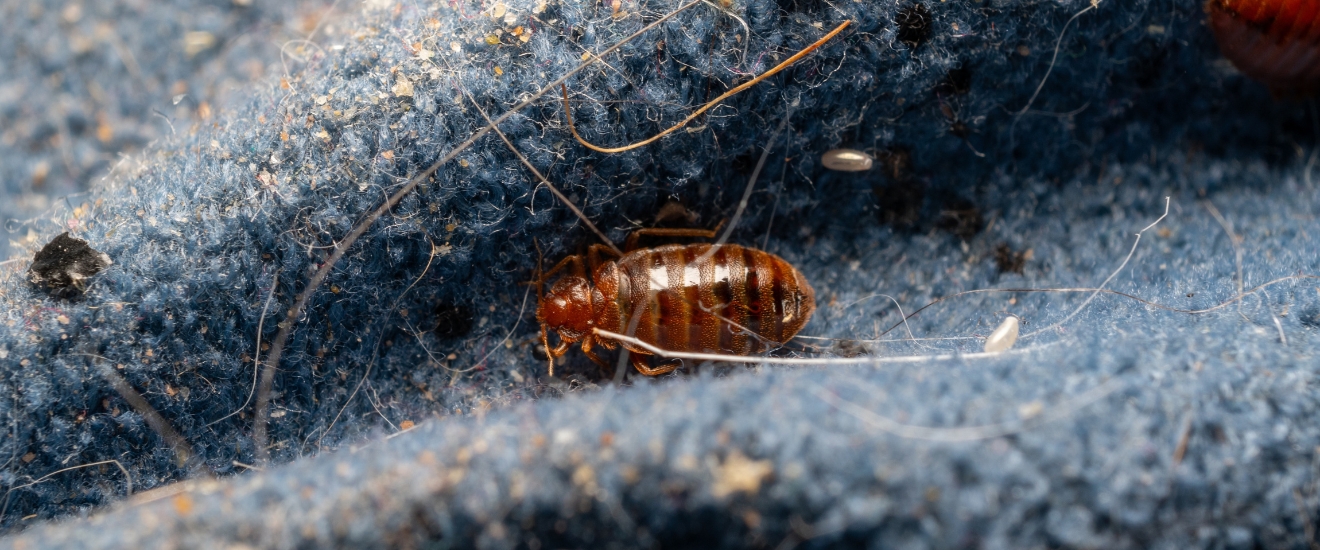
Finding bed bugs inside your home can leave you wondering where they came from in the first place. These pests do not need an unclean house or an obvious opening from outdoors to get inside. More often, they arrive quietly—tucked into luggage after a trip, hidden in secondhand furniture, or carried in on belongings that have been somewhere with bed bug activity. By the time bed bug treatment in New Braunfels becomes something a homeowner needs to consider, the original hitchhiker may have already left the item that brought it inside and found a protected place to settle.
That ability to travel unnoticed is what makes bed bugs different from many pests found around South Central Texas homes. They can turn an everyday activity—coming home from vacation, welcoming an overnight guest, or bringing home a used chair—into an unexpected route indoors. Knowing where those opportunities occur can make it easier to recognize how an infestation may have started and which belongings deserve a closer look.
Bed Bugs Usually Arrive by Hitchhiking
Unlike ants that may establish trails from the yard or cockroaches that can enter through exterior openings, bed bugs rely heavily on people and their possessions for transportation.
A bed bug can crawl into the seam of a suitcase, hide inside a backpack, or settle into the folds of clothing. Once that item is carried elsewhere, the insect has effectively been transported to a new location. This behavior helps explain why a homeowner may discover an infestation without identifying an obvious exterior entry point.
Their small size makes the process particularly easy to miss. Bed bugs tend to seek narrow, protected spaces where they are difficult to notice during a quick visual check.
Once inside a New Braunfels home, they may move away from the object that transported them and establish hiding areas near places where people spend long periods resting.
Travel Is One of the Ways Bed Bugs Can Come Home With You
Hotels, vacation rentals, dormitories, and other places with frequent guest turnover can create opportunities for bed bugs to move between belongings and locations. Their presence is not necessarily an indication that a property is poorly maintained. Bed bugs can be introduced anywhere people regularly come and go.
Luggage deserves particular attention after a trip. Suitcases contain seams, pockets, zippers, folds, and other tight spaces that can provide temporary shelter.
A traveler does not need to see a bed bug crawling across a hotel mattress for one to come home. An insect hidden in luggage or another personal item can remain unnoticed until after the trip.
This is why setting a suitcase directly on a bed after returning home can create unnecessary risk. Inspecting luggage and unpacking thoughtfully can make it easier to catch suspicious activity before it spreads farther into the house.
Used Furniture Can Introduce Bed Bugs
A secondhand dresser or upholstered chair may look perfectly clean from the outside while still containing hidden insects.
Bed bugs favor small gaps and protected areas, including furniture joints, upholstery seams, screw holes, cracks, and spaces beneath fabric. Mattresses and bed frames are obvious concerns, but they are far from the only pieces worth inspecting.
Potential sources include:
- Used mattresses, box springs, and upholstered bed frames
- Sofas, recliners, and fabric-covered chairs
- Nightstands and bedroom furniture with cracks or joints
- Secondhand luggage, bags, and storage containers
- Furniture picked up from curbs, giveaways, or online marketplaces
- Items previously kept in an infested room
Inspecting secondhand belongings before carrying them indoors is far easier than trying to determine where bed bugs have spread after an introduction.
Guests Can Unknowingly Carry Bed Bugs Inside
Visitors rarely know when a bed bug has hitched a ride on one of their possessions.
Someone could pick one up while traveling, at another residence, or in a shared environment and transport it inside a purse, backpack, overnight bag, or other belonging. The person does not need to have a known infestation at home.
This possibility should be viewed practically rather than as a reason to blame visitors. Bed bugs are exceptionally good at remaining concealed, and introductions can happen without anyone realizing it.
The more useful response is knowing how bed bugs travel and being careful with belongings that have recently been in places where an infestation may be present.
Apartments and Other Shared Buildings Create Different Risks
Bed bugs become more complicated in apartments, duplexes, and other multi-unit properties because neighboring spaces are physically connected.
An infestation may begin in one unit and eventually spread beyond it. Bed bugs can move through small gaps and structural pathways, making it important to consider adjacent areas when activity keeps appearing without a clear source.
Moving between units is not the only concern. Shared laundry spaces, hallways, furniture moves, maintenance activity, and belongings traveling through common areas can create additional opportunities for accidental transport.
For this reason, determining where bed bugs originated may be more difficult in a shared building than in a detached single-family home.
Where Do Bed Bugs Go Once They Are Inside?
Their name can create the impression that bed bugs live exclusively in mattresses. Beds are important because they keep these pests close to people while providing plenty of concealed spaces, but they are not the only places where bed bugs can settle. After entering a home, they tend to seek tight, protected areas where they can remain out of sight between feedings.
Early activity may be concentrated around the bed or another regularly used sleeping area. As bed bugs move through the room, more hiding places can come into play, including:
- Mattress seams, piping, and labels: The narrow folds and stitched edges around a mattress provide sheltered spaces where bed bugs can tuck themselves away while remaining close to a sleeping person.
- Box springs and bed-frame joints: Corners, connection points, screw holes, and gaps between frame components offer the type of dark, confined shelter bed bugs naturally seek.
- Headboards and nearby furniture: Bed bugs may settle behind a headboard or within the joints and crevices of nightstands, dressers, and other furniture positioned close to the bed.
- Upholstered chairs and sofas: Furniture where people regularly sit, nap, or sleep can become another area of activity, particularly around cushions, seams, fabric folds, and the framework beneath upholstery.
- Baseboards and narrow room gaps: Small openings along baseboards, trim, flooring edges, and other protected crevices can give bed bugs places to retreat beyond the immediate sleeping area.
- Belongings stored near the bed: Bags, boxes, clothing piles, and other items kept close to sleeping spaces can create extra shelter and make it more difficult to determine how far bed bugs have dispersed.
Finding a bed bug on a mattress or another exposed surface does not necessarily reveal the full extent of the problem. Much of their activity can remain concealed within small spaces that are easy to overlook, which is why checking beyond the most obvious areas can be important when bed bugs are suspected.
Does a Clean Home Prevent Bed Bugs?
Keeping a home clean does not prevent bed bugs from getting inside. These pests are not drawn to dirt, leftover food, or poor housekeeping in the same way certain household pests may be. Their primary concern is finding a place near people where they can remain concealed between feedings. A well-maintained New Braunfels home can develop a bed bug problem after just one infested suitcase, piece of furniture, bag, or personal belonging is carried indoors. Regular cleaning may make certain signs easier to notice, but it cannot stop a hidden bed bug from hitchhiking into the property.
Where housekeeping can make a difference is in limiting potential hiding places and making inspection easier. Excess clutter around beds, upholstered furniture, and sleeping areas creates more cracks, folds, and protected spaces where bed bugs can remain difficult to locate. Keeping these areas organized gives homeowners fewer places to examine if suspicious activity appears, yet even an uncluttered room can provide plenty of shelter within mattress seams, bed frames, furniture joints, and other narrow spaces. Preventing an introduction depends less on how spotless a home is and more on being cautious with belongings that could transport bed bugs from one location to another.
Concerned About Bed Bugs in Your New Braunfels Home?
Whether bed bugs arrived after a trip, inside used furniture, through a visitor’s belongings, or from another nearby space, the important question is where they have spread since entering your property.
A bed bug problem can begin with something as ordinary as unpacking after a trip or bringing a used piece of furniture indoors. What happens next is much harder to see. Bed bugs can leave their original hiding place and settle into mattress seams, bed frames, furniture joints, and narrow gaps throughout the room.
Deep Six Pest Control provides New Braunfels homeowners with a thorough inspection and a treatment strategy based on where the infestation has taken hold, so the response is built around the actual conditions inside the home rather than a generic approach.
If you suspect bed bugs have made their way into your New Braunfels home, contact Deep Six Pest Control for a free estimate and professional bed bug service.